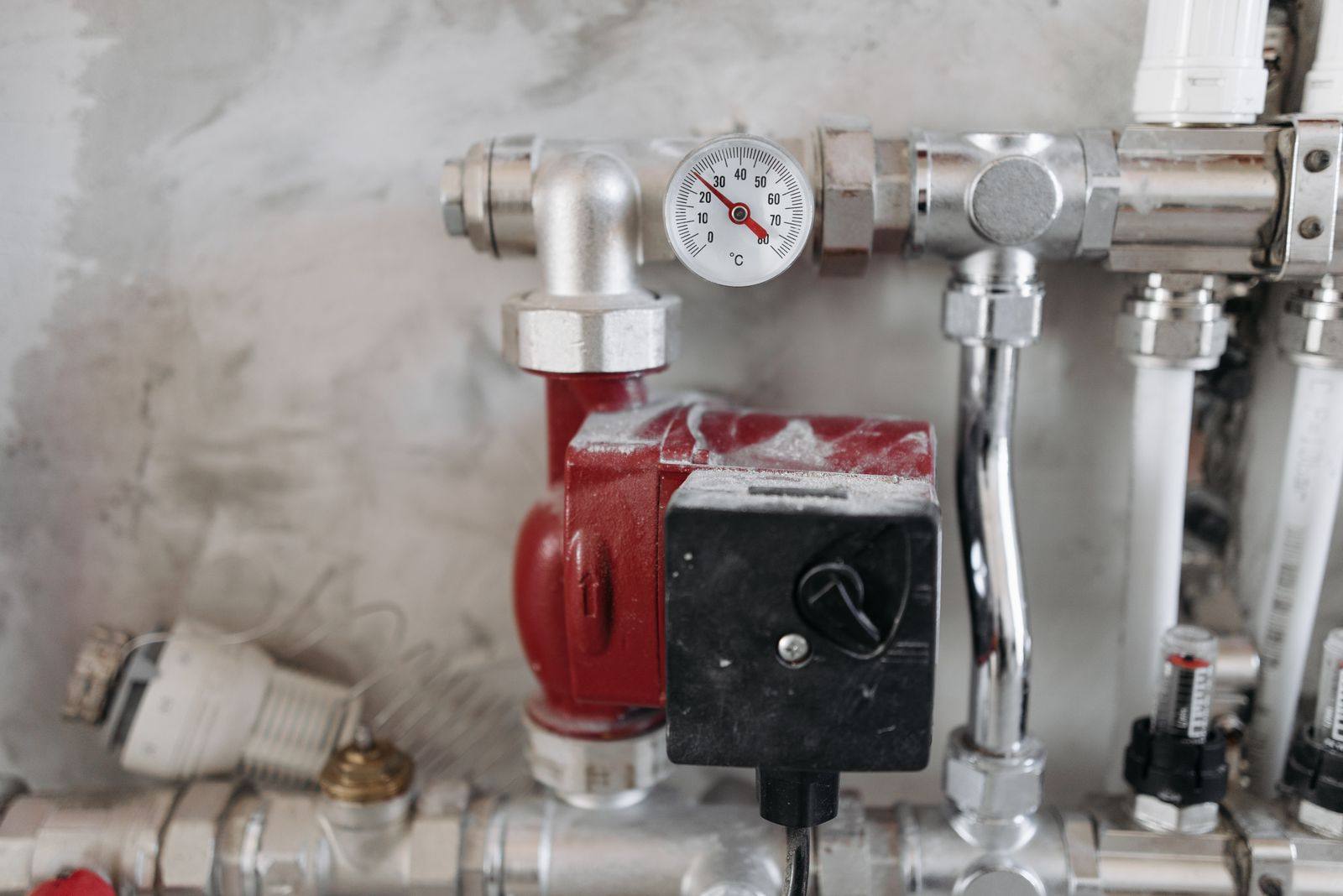
Cold weather and water heaters in Louisville
Louisville is an Ohio River city of humid summers and genuinely cold winters, where the temperature can swing hard in a single week and a January cold snap can freeze an exposed pipe overnight. The city has one of the country's great stocks of Victorian homes — Old Louisville has the largest Victorian neighborhood in the United States — alongside mid-century suburbs and newer subdivisions in the east end. A water heater here has to cope with both summer humidity and winter freezes, usually from a basement.
A frozen pipe can burst and flood a home, and a frozen water heater can crack. The damage usually happens not during the coldest night, but when the thaw comes and water starts flowing again through a split pipe. Prevention is cheaper than the repair, and most of it is simple work done before winter arrives.
Insulate the pipes
The first step is insulation on the pipes that serve the heater — especially the cold-water inlet and the hot-water outlet, and any pipe that runs through an unheated space: a garage, a crawl space, an attic, or an exterior wall. Foam pipe insulation is inexpensive and easy to fit. Pipes in the coldest spots can also be fitted with heat tape (electric heating cable) that switches on when the temperature drops.
Protect the heater itself
- - Keep the space around the heater from freezing. A garage heater benefits from a closed, insulated garage door and, in the coldest weather, a small amount of heat in the space. A heater in a crawl space should have the crawl space vents closed for winter.
- - Do not turn the heater off and leave it. A water heater that is off and full of water can freeze. If you are leaving the home empty in winter, drain the heater properly or have it winterized — do not just switch it off and hope.
- - Let a tap drip on the coldest nights. A slow drip keeps water moving through the pipes and makes freezing less likely. It is a small amount of water against the cost of a burst pipe.
- - Know where the shut-off is. If a pipe does burst, shutting off the water quickly limits the damage. Make sure everyone in the household knows where the main shut-off is before winter.
What to do if a pipe freezes
If a tap stops running in cold weather, the pipe has probably frozen. Turn off the water supply to that section if you can, and open the tap so water has somewhere to go when the ice melts. Warm the frozen section gently — a hair dryer, towels soaked in hot water, or a space heater kept at a safe distance. Never use an open flame. If the pipe has already burst, shut off the main water supply and request assistance.
Tankless units in freezing weather
Tankless heaters are more vulnerable to freezing than tank heaters, because they hold only a small amount of water in a heat exchanger that can crack. Many tankless units have a built-in freeze-protection heater that runs on electricity — but it only works while the unit has power. In a power cut during a freeze, a tankless unit in an unheated space should be drained. If you have a tankless unit and a hard freeze is forecast with a possible outage, ask a provider how to drain it before the storm arrives.
Frequently Asked Questions
At what temperature do water heater pipes freeze?
Pipes in unheated spaces can freeze when the temperature falls below freezing for several hours, especially overnight with wind. A single mild frost is rarely enough; a sustained cold snap is the risk.
Should I leave my water heater on when I go away in winter?
Yes — leave it on at a low setting, or have it drained and winterized properly. A heater that is switched off and full of water can freeze and crack.
Does pipe insulation really help?
Yes, for pipes in unheated spaces it is the single most effective step. It slows heat loss enough that a pipe which would freeze in a few hours may survive the night.
My pipes froze last winter. What should I do differently?
Insulate the pipes that froze, check whether the heater's space needs heat or better sealing, and consider heat tape on the most exposed runs. A provider can identify the coldest spots in your installation.